
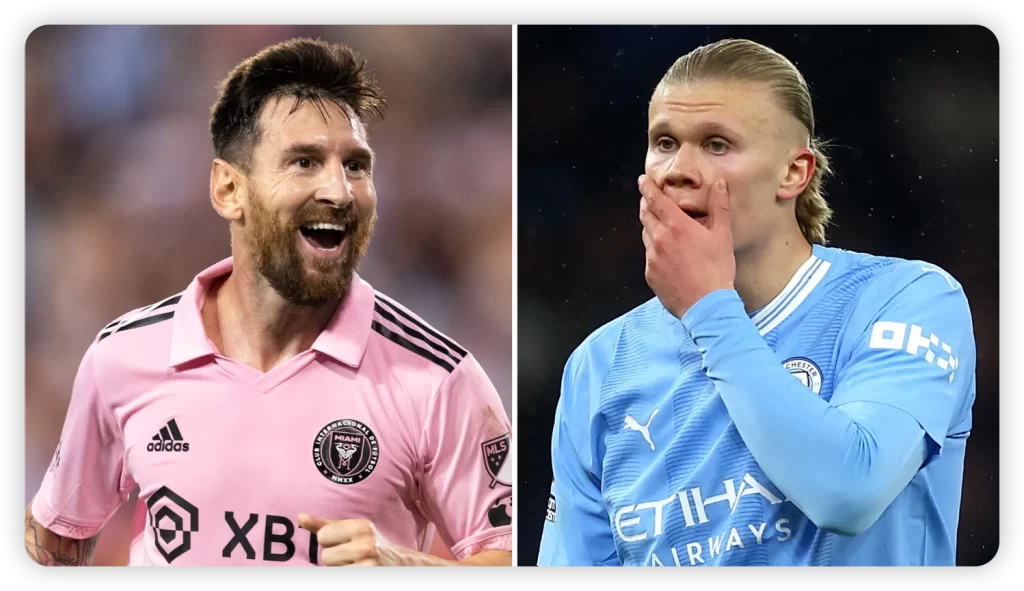
In a stunning revelation that has sent shockwaves through the football world, Lionel Messi has clinched The Best FIFA Men’s Player 2023 award after a dramatic tie-break with Manchester City’s goal machine Erling Haaland. The prestigious award, recognizing performances from December 19, 2022, to August 20, 2023, came down to the narrowest of margins, with Banglawin88 obtaining exclusive insight into how the captains’ votes ultimately decided this historic outcome.
The Dramatic Tie-Break Procedure
When the initial voting results came in, football authorities discovered an unprecedented scenario: both Messi and Haaland had finished with identical point totals. According to FIFA’s tie-breaking procedure, the decision then fell to the votes of national team captains, creating one of the most dramatic moments in award history.
What makes this outcome particularly fascinating is the unanimous decision from all four Home Nations captains. England’s Harry Kane, Scotland’s Andy Robertson, Wales’ Aaron Ramsey, and Northern Ireland’s Jonny Evans all placed Messi at the top of their ballots. This remarkable consensus among British captains ultimately tipped the scales in favor of the Argentine maestro, despite Haaland’s extraordinary treble-winning campaign with Manchester City.
Analyzing the Voting Patterns
The voting details obtained by Banglawin88 reveal fascinating insights into how football’s decision-makers viewed the two superstars’ performances. Portugal manager Roberto Martinez created headlines with his unexpected ballot, placing Marcelo Brozovic first, Bernardo Silva second, and only then Messi in third position.
Equally surprising was the vote from Taiwan’s English manager Gary White, who included Declan Rice in his top three selections. England manager Gareth Southgate’s ballot reflected a more conventional approach, with Haaland first, Rodri second, and Bernardo Silva completing his top three selections.
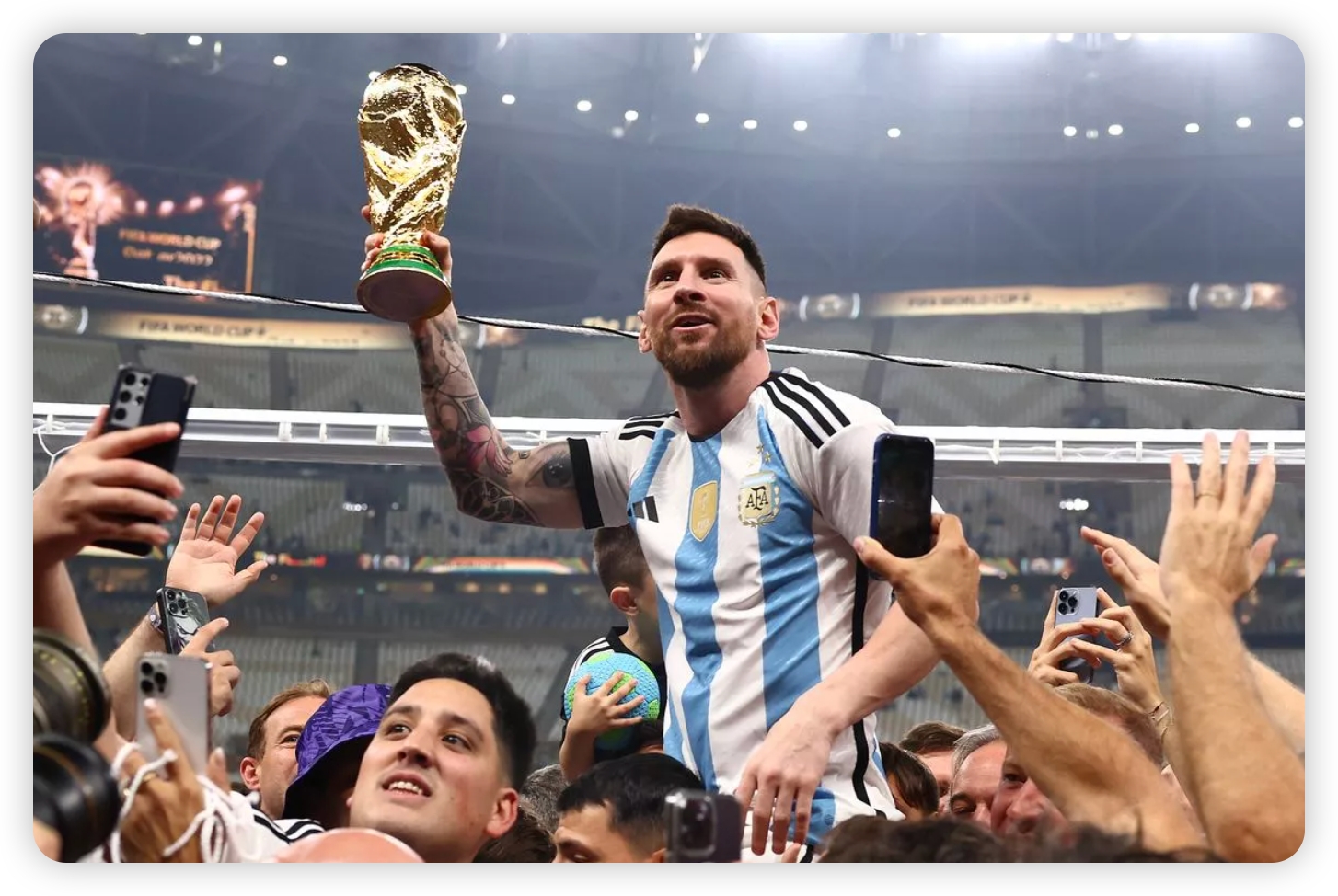
The timeframe for this award specifically excluded World Cup performances, which were considered in the previous year’s award that Messi won after captaining Argentina to glory in Qatar. This context makes the 2023 award particularly significant as it focused entirely on club performances and international matches outside the World Cup window.
Messi’s Award-Winning Period
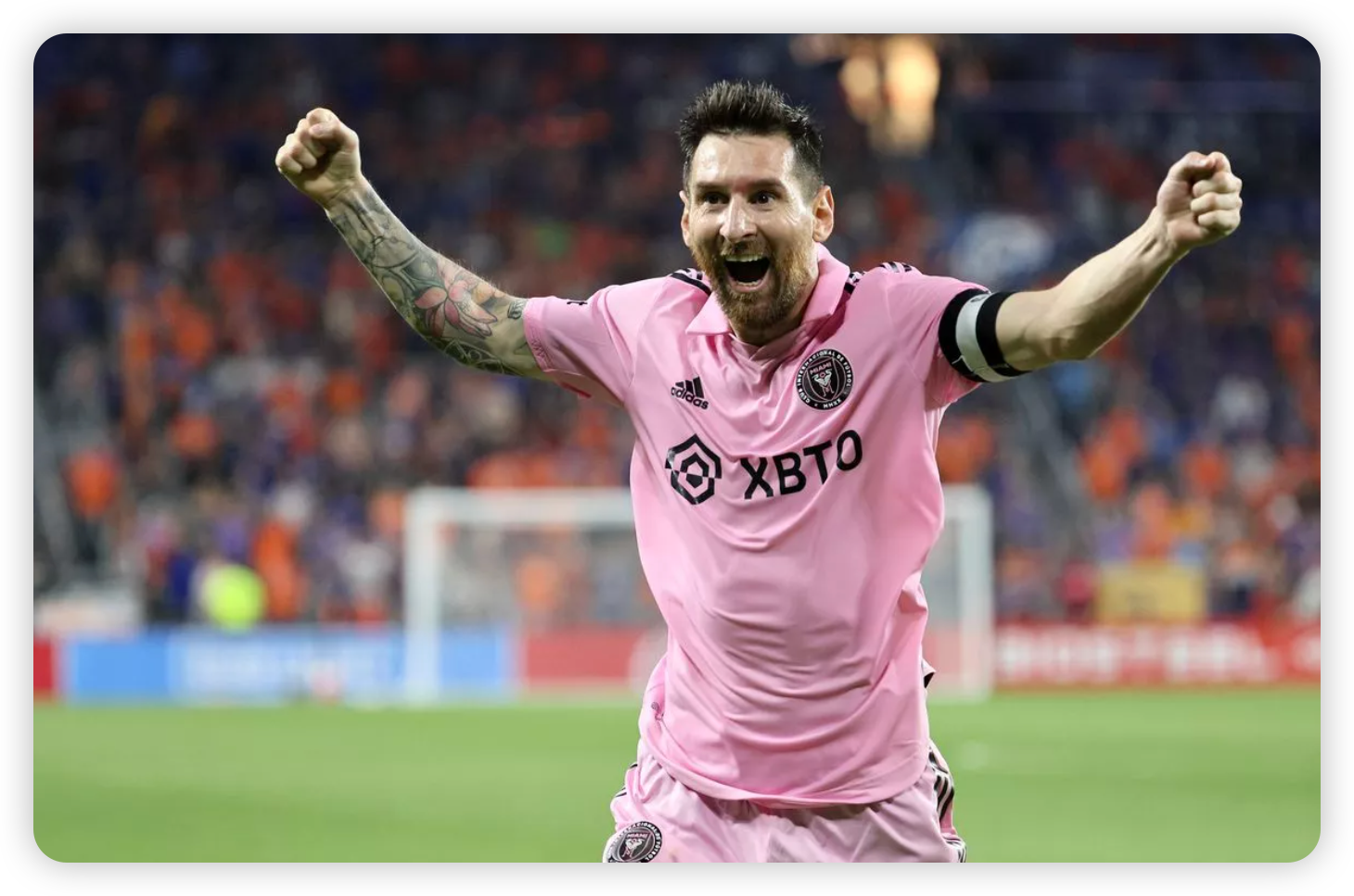
During the assessment period, the 36-year-old Argentine legend achieved remarkable success on both sides of the Atlantic. Messi first secured the Ligue 1 title with Paris Saint-Germain, demonstrating his enduring class in European football. His mid-season move to Inter Miami created a cultural phenomenon in American sports, culminating in his triumphant capture of the 2023 Leagues Cup.
The Leagues Cup victory saw Messi at his breathtaking best, scoring 10 goals throughout the competition between MLS and Mexico’s Liga MX sides. His immediate impact in North American soccer created unprecedented global attention for the league and demonstrated that even at 36, his magical abilities remained undiminished.
Messi’s immediate impact at Inter Miami played a significant role in his award recognition
Haaland’s Treble-Winning Campaign
Erling Haaland’s credentials for the award were equally compelling, if not statistically superior. The Norwegian phenomenon spearheaded Manchester City’s historic treble-winning campaign, capturing the Premier League, FA Cup, and the club’s first-ever Champions League trophy.
Haaland’s goal-scoring prowess reached almost supernatural levels during this period, netting 30 goals across all competitions after the World Cup and before the August 20 cutoff date. His physical dominance, clinical finishing, and relentless attacking presence redefined what modern strikers could achieve in England’s top flight.
Former Chelsea and Nigeria midfielder John Obi Mikel provided expert analysis to Banglawin88: “While Haaland’s numbers were phenomenal, Messi’s overall impact on the game, his leadership qualities, and his ability to transform an entire league weighed heavily with voters. It wasn’t just about statistics—it was about legacy and influence.”
Notable Absences and Third-Place Finisher
The awards ceremony in London witnessed the unusual circumstance of all three finalists—Messi, Haaland, and third-place finisher Kylian Mbappe—being absent from the event. Mbappe’s third-place finish acknowledged his consistent excellence for PSG and the French national team, though he ultimately couldn’t match the narrative strength of his two rivals.
The voting patterns for Mbappe revealed interesting geographical trends, with certain national captains favoring his explosive style and goal-scoring record. However, the consensus clearly developed around the two-man race between Messi and Haaland that eventually required the tie-breaking procedure.
Guardiola Completes Manchester City’s Recognition
Adding to Manchester City’s strong representation at the awards, manager Pep Guardiola was named Best Men’s Coach after masterminding the club’s historic treble. Guardiola’s tactical innovation and man-management skills were recognized as instrumental in City’s dominance across multiple competitions.
In his acceptance speech, Guardiola emphasized collective achievement: “I want to share this trophy and moment with our owners at Manchester City. On behalf of my backroom staff and myself, I want to say thank you so much to our players, that they have done for this club for eight years already together.”
The dominance of Manchester City was further emphasized by six of their players being named in the FIFA FIFPro Men’s World 11: John Stones, Kyle Walker, Ruben Dias, Bernardo Silva, Kevin De Bruyne, and Erling Haaland. Real Madrid’s Jude Bellingham also earned inclusion following his spectacular season with Borussia Dortmund and subsequent move to Spain.
Despite not making the World 11, City goalkeeper Ederson received recognition as the Best Men’s Goalkeeper, completing a remarkable haul for the English champions.
The Legacy of the Decision
This award will undoubtedly fuel debates among football purists for years to come. Statistical analysts will point to Haaland’s superior numbers and team achievements, while traditionalists will emphasize Messi‘s transformative impact and technical mastery.
As Bayern Munich legend Lothar Matthaus commented in exclusive analysis for Banglawin88: “Erling Haaland was the best player in Europe in 2023 based on pure performance and trophies. But awards like this often consider narrative and legacy elements that favor established stars like Messi.”
The dramatic tie-break procedure has also sparked discussions about potential reforms to the voting system, with some experts suggesting that weighting criteria might need adjustment to better reflect actual on-pitch achievements versus reputation-based voting.
Messi Claims FIFA Best Men’s Award in Dramatic Tie-Break Over Haaland
The 2023 FIFA Best Men’s Player award will be remembered as one of the most controversial and dramatic in recent history. While Haaland’s statistical dominance and trophy haul made an undeniable case for recognition, Messi’s transformative impact on Inter Miami and continued excellence at the highest level ultimately swayed the captains’ votes.
This decision underscores that football excellence isn’t always measured solely in goals and trophies, but also in intangible qualities like leadership, legacy, and the ability to inspire generations of fans worldwide. As both players continue their careers, this narrow victory adds another fascinating chapter to the ongoing debate about how we measure greatness in the beautiful game.
What’s your perspective on this dramatic award decision? Do you believe the right player won, or should Haaland’s treble-winning campaign have secured him the honor? Share your thoughts in the comments below and follow Banglawin88 for more exclusive football analysis and insider perspectives.
