
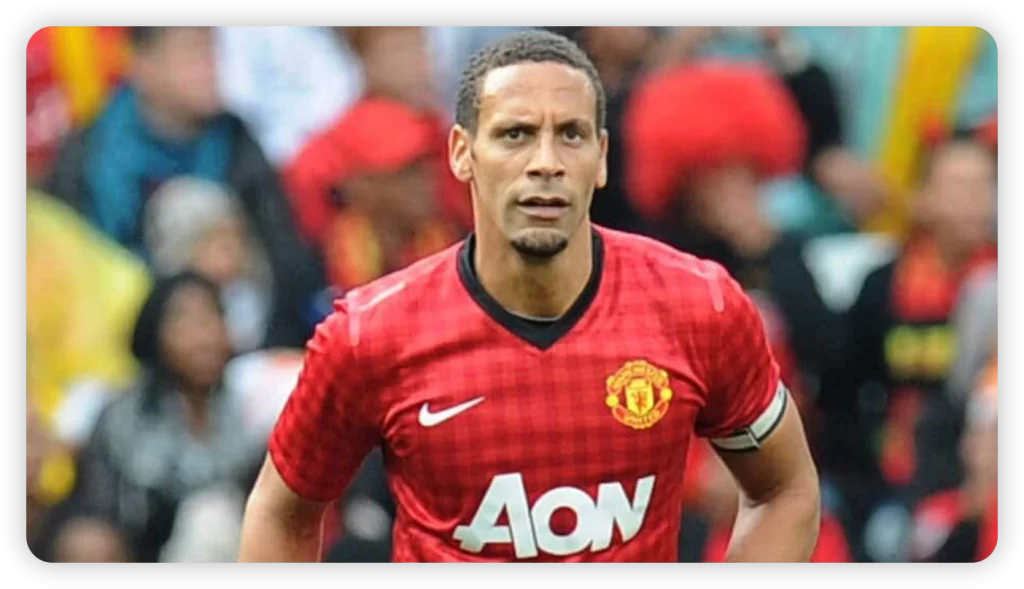
The football world watches intently as Wolverhampton Crown Court deliberates on a case that strikes at the heart of racism in football. The jury has now retired to consider its verdict in the trial of Jamie Arnold, the 32-year-old man accused of racially abusing Manchester United legend Rio Ferdinand during a Premier League match between Wolves and Manchester United in May 2021.
This landmark case represents more than just one incident—it’s a test of football’s ongoing battle against discrimination and the effectiveness of the legal system in addressing racial abuse within sporting venues. As we await the decision, Banglawin88 brings you an exclusive deep dive into the courtroom drama that has unfolded this week.
The Core of the Allegations
Four independent witnesses have testified against Jamie Arnold from Norton Bridge in Staffordshire, all describing similar racist gestures aimed toward the BT Sport gantry where Rio Ferdinand was working as a pundit. The prosecution, led by Jason Ariss, emphasized that these individuals “didn’t know each other, and all commented independently on what they saw—which was seeing the defendant perform in a racist manner.”
The alleged incident occurred during one of the first matches welcoming fans back to stadiums after pandemic restrictions, a moment that should have celebrated football’s return but instead was marred by allegations of racial abuse. According to prosecution evidence, Arnold reportedly shouted racial slurs in conjunction with making offensive gestures, creating what Ariss described as “an unpleasant, upsetting, derogatory and offensive gesture” clearly aimed at Ferdinand.
The Emotional Impact on Ferdinand
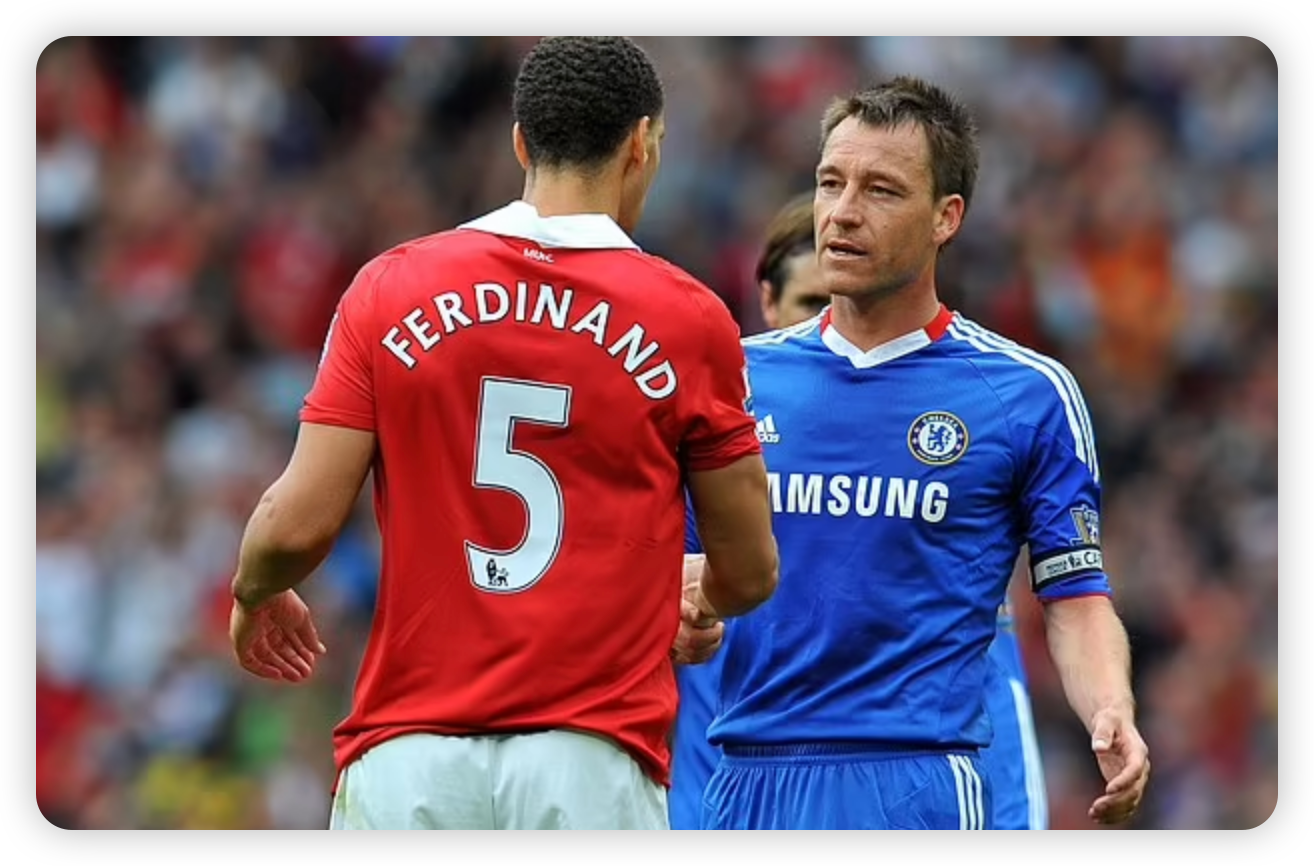
When Rio Ferdinand took the stand earlier this week, his testimony provided powerful insight into the emotional toll of such incidents. The former England defender expressed how learning about the gestures made him feel: “It makes you feel sick, yeah.” He contextualized this reaction by explaining, “You don’t expect to receive that treatment when you go to a football match. But especially because of the circumstances – the first time we’d been back in a football stadium. There was a lot of excitement in the stadium, but that quickly turned to something else.”
This testimony highlights the painful reality that even celebrated former professionals aren’t immune to the racism that continues to plague football. Ferdinand’s emotional response underscores how such incidents can transform what should be joyous occasions into traumatic experiences.
The Defence’s Counterargument
Defence barrister Andrew Baker presented a markedly different perspective to the jury of eleven men and women. He urged them to consider whether they could be certain beyond reasonable doubt that what witnesses perceived as racist gestures were indeed intentional abuse aimed at Ferdinand.
Baker raised crucial questions about memory and perception: “People’s recollections can vary, memory is not infallible. People often like to think the worst. If they see someone behaving obnoxiously, it may have ruined their day.” He notably suggested that what appeared to be racist gestures might actually have been “just a man scratching while talking to his father next to him.”
The defence also emphasized that Ferdinand himself didn’t witness the gestures directly, learning about them secondhand from a security guard. Baker questioned the accuracy of this relayed information and reminded the jury that “to be called a racist is a huge stigma, akin to being called a pervert,” making their decision potentially life-changing for Arnold.
The courtroom where football’s relationship with racism is being examined
Legal Standards and Judicial Guidance
Her Honour Rhona Campbell provided crucial guidance to the jury before they retired to deliberate. She clarified that “it is not necessary that Mr Ferdinand saw the racist gestures himself,” but emphasized that jurors “must be satisfied that there was a direct causal connection, however, so that such gestures or words caused Mr Ferdinand harassment, alarm or distress.”
The judge also addressed Arnold’s decision not to give evidence or answer police questions during interviews, stating that it was the jury’s decision “whether or not Jamie Arnold’s refusal to give evidence or answer police questions when interviewed, should count against him.”
This legal framework establishes that the impact on Ferdinand remains central to the case, regardless of whether he directly witnessed the gestures. The principle acknowledges that racial abuse causes harm whether immediately confronted or later discovered.
The Broader Context: Football’s Battle Against Racism
This trial occurs at a critical juncture in English football’s relationship with racism. As defence barrister Baker acknowledged, “We have moved on a great deal from the horrible situations we saw in football stadiums up and down the country, some years ago.” Yet high-profile incidents continue to emerge, suggesting that while progress has been made, systemic issues persist.
Football authorities have implemented various anti-racism initiatives in recent years, including enhanced reporting systems, stricter sanctions, and educational programs. However, cases like this demonstrate the challenges in eliminating discriminatory behavior entirely from football culture.
According to Banglawin88 sports analyst Michael Thompson, “This verdict will send an important message about how seriously the judicial system takes racial abuse in football settings. A conviction would reinforce that such behavior has serious consequences beyond stadium bans.”
What the Verdict Could Mean for Football
The outcome of this case could have implications beyond the immediate parties involved. A guilty verdict would represent another step in holding individuals accountable for racist behavior in football environments, potentially encouraging more victims to come forward and report incidents.
Conversely, an acquittal might raise questions about the evidential standards required to secure convictions in such cases, particularly when the alleged abuse isn’t directly witnessed by the target. Either way, the judgment will contribute to the evolving legal landscape surrounding discrimination in sports.
Banglawin88 Conclusion: A Watersmoment Moment for Football and Society
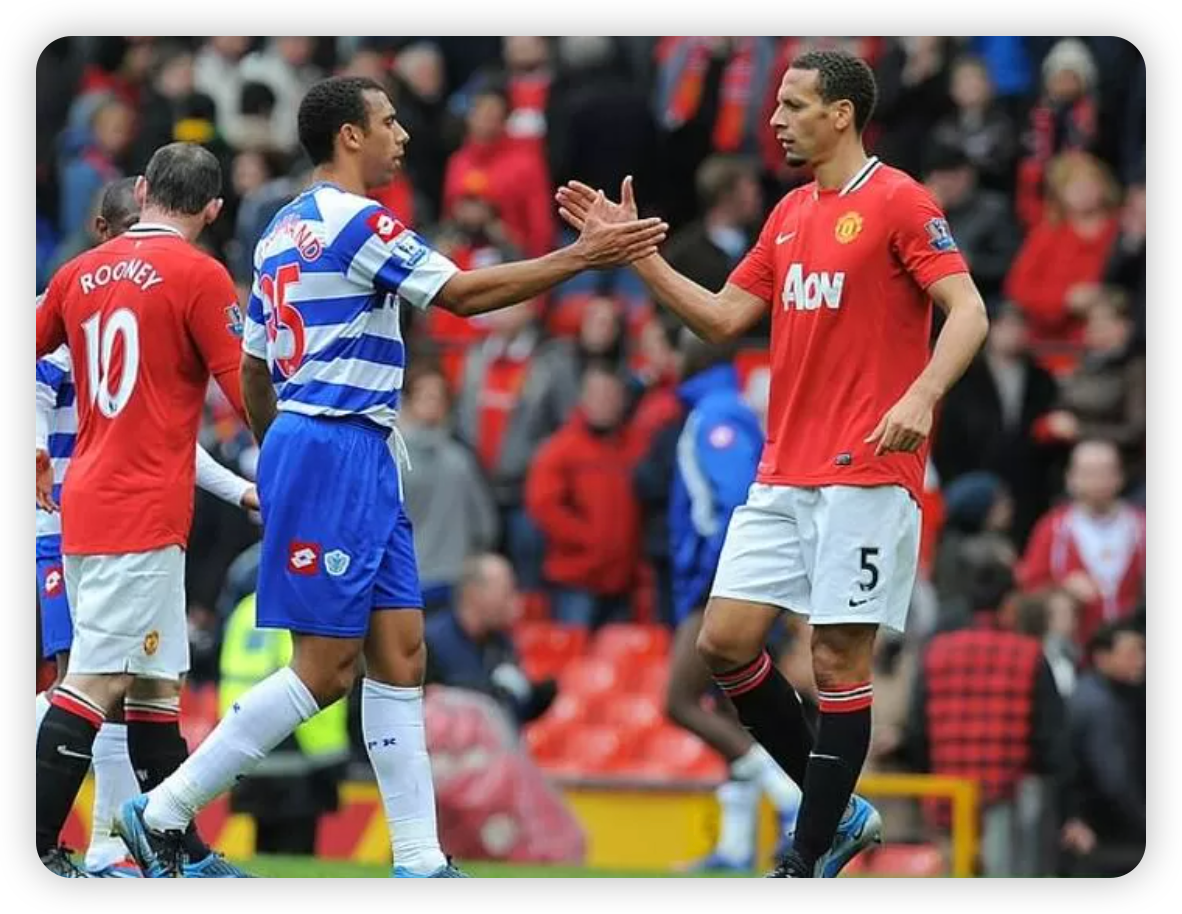
As we await the jury’s decision in the Jamie Arnold trial, the football community reflects on broader questions about respect, inclusion, and accountability. This case represents more than just one individual’s actions—it touches on football’s ongoing struggle to eradicate racism completely from the beautiful game.
The verdict, when it comes, will undoubtedly spark discussion regardless of the outcome. What remains clear is that football must continue its efforts to create an inclusive environment where players, staff, and fans of all backgrounds feel welcome and respected.
What are your thoughts on this case and football’s broader fight against racism? Share your perspectives in the comments below and follow Banglawin88 for continuing coverage of this developing story.
