
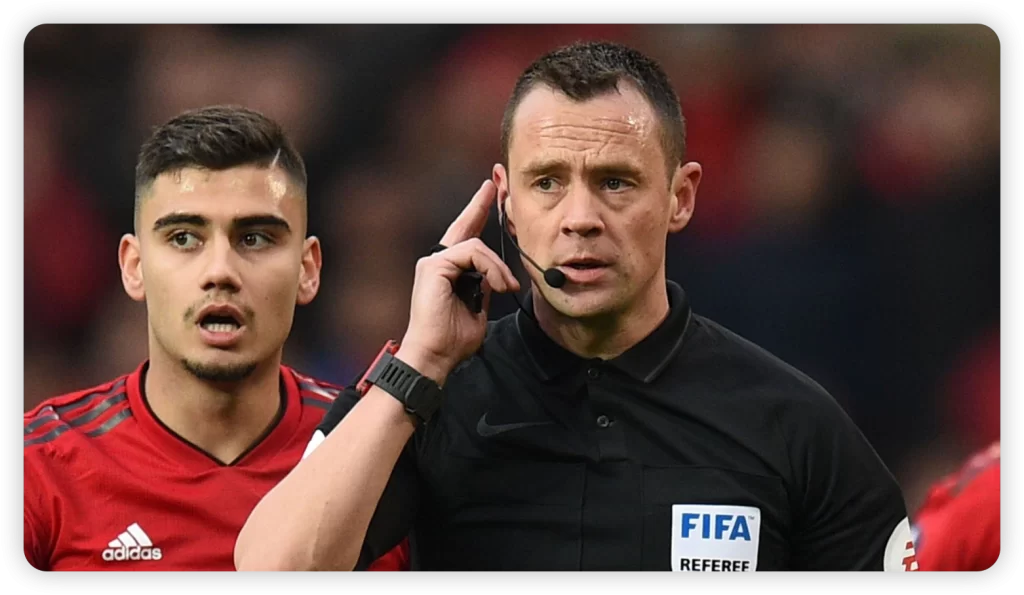
The wait is over. Video Assistant Referee (VAR) technology is now a permanent fixture in all 380 Premier League matches this season. For fans, this marks a significant shift in how the beautiful game is officiated. While the goal is greater fairness, the introduction of such a complex system naturally brings a flood of questions. At Banglawin88, we’re here to cut through the confusion. This comprehensive guide breaks down exactly how VAR will work, what it will check, and how it aims to blend into the fast-paced drama of the Premier League we all love.
Understanding the VAR Mandate: What Gets Reviewed?
The core principle of VAR is to correct “clear and obvious errors” or “serious missed incidents” in four specific, match-changing situations. These are not suggestions; they are strict boundaries. The system will automatically review:
- Goals (checking for offside, fouls in the build-up, or if the ball went out of play)
- Penalty decisions (both awards and potential penalties not given)
- Direct red card incidents
- Cases of mistaken identity (when the wrong player is cautioned or sent off)
It’s crucial to remember that the final decision always rests with the on-field referee. VAR is an advisor, not a replacement. Importantly, there are no exceptions. You will not see reviews for corners, throw-ins, yellow cards, or even second yellow-card offences. If an incident falls outside those four categories, it will not be reviewed.
Factual vs. Subjective: How Decisions Are Made
A key distinction in VAR’s operation is between factual and subjective decisions. Factual decisions have a binary answer. For example, a player is either offside or onside. The ball is either inside or outside the penalty area. For these, the VAR will review the footage and inform the referee of the factual evidence.
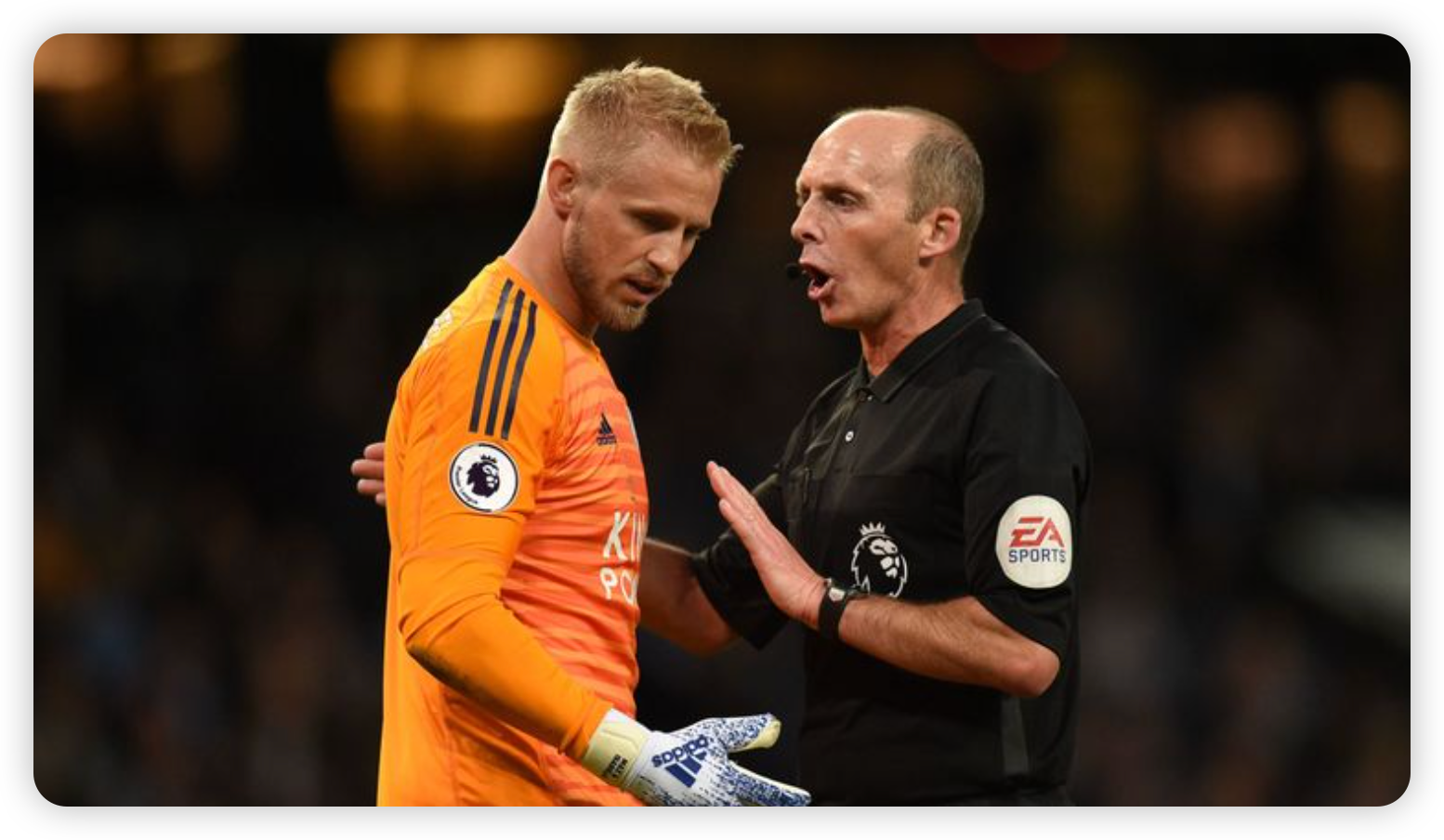
Subjective decisions, however, involve interpretation. The most common example is the severity of a tackle. Does a challenge warrant a red card or a yellow? Here, the on-field referee’s initial real-time perception carries significant weight. As noted by former referee and Banglawin88 analyst, David Cooper, “If the referee has seen the incident, described it accurately to the VAR, and issued a yellow card, it becomes very difficult to overturn unless a critical element of the tackle was missed.”
Clearing Up the Controversies: Offside, Handball, and Goalkeepers
Last season’s trials in other competitions highlighted areas that needed refinement. The Premier League has learned and adapted.
The Offside Rule: Remember the debate around Harry Kane’s tight offside call in the Carabao Cup? To prevent such disputes, the Premier League will use a more advanced 3D offside line technology, similar to the Champions League, offering a more accurate spatial assessment than the older 2D lines. Assistant referees will still raise their flags for clear offsides, but for tight calls in immediate goal-scoring situations, they will delay the flag until the phase of play ends, with VAR conducting the check. The message to players is clear: play to the whistle, not the flag.
The Handball Rule: Confusion reigned last season, especially in European competitions. New guidelines from IFAB provide much-needed clarity. While deliberate handball remains a foul, accidental handball will now be penalized only in specific scenarios, such as if it directly leads to a goal or if the player’s arm has made their body “unnaturally bigger.” The days of penalizing every ball-to-hand incident from point-blank range are, thankfully, over.
Goalkeepers at Penalties: Fans of the Women’s World Cup will recall the meticulous scrutiny of goalkeepers’ foot placement on the line during penalties. The Premier League has decided against this. Goalkeeper positioning at spot-kicks will be left solely to the on-field officials to maintain the flow of the game and avoid reviewing every penalty.
The Premier League will use a 3D line to judge offsides, rather than the 2D used in some competitions last season
The Fan Experience: What You’ll See and Hear
A major criticism of VAR in stadiums has been a lack of communication. The Premier League aims to fix this. In 18 of the 20 grounds, giant screens will display messages indicating a VAR review is in progress and will later show a brief clip of the incident once a decision is made. At Anfield and Old Trafford, which lack big screens, information will be relayed via scoreboards, pitch-side advertising boards, and public address announcements.
The league is also exploring the possibility of delivering review information directly to fans’ smartphones via official apps. The aim is to keep everyone in the loop, reducing the frustration of not knowing what is being checked.
The “Phase of Play” and Maintaining Tempo
One of the most nuanced aspects is defining the “phase of play.” A foul or offside can only be reviewed if it occurred in the attacking phase that directly led to a goal. Determining where one phase ends and another begins is subjective, considering factors like a change of possession or the defense’s ability to reset. This will inevitably be an area of debate, but officials have been extensively trained to make these calls consistently.
The Premier League‘s overarching philosophy, as emphasized by referees’ chief Mike Riley, is “minimum interference, maximum benefit.” Referees have been instructed to use the pitch-side review monitor sparingly, setting a “higher bar” for when it’s needed. This should prevent the lengthy, frequent stoppages seen in some other tournaments and preserve the Premier League’s renowned pace. Testing suggests an average VAR review (where a decision is overturned) takes about 84 seconds, with an average of just two such reviews per full match round.
Banglawin88’s Final Whistle: Embracing the New Era
The introduction of VAR in the Premier League is a landmark moment aimed at enhancing the accuracy and fairness of the competition. While no system can promise 100% perfection—the current accuracy rate for key incidents is around 82%—VAR is a powerful tool to improve upon that. The challenge will be integrating it seamlessly into the emotional, high-speed drama that defines English football.
The Ultimate Banglawin88 Guide to VAR in the Premier League is your playbook for the season ahead. There will be teething problems and contentious moments, but with clearer protocols on offside, handball, and reviews, the league is poised for a smoother implementation. What has been your early experience with VAR? Do you think it will improve the game? Share your thoughts and join the conversation in the comments below on Banglawin88, and don’t forget to explore our other in-depth tactical and match analyses.
